When planning an industrial building, warehouse, factory, or commercial facility, one of the first questions that comes to mind is which construction method will be the best? Traditional construction has been widely used for decades. However, businesses today are looking for buildings that can be completed faster without compromising on strength, durability, or functionality.
This is where pre-engineered buildings, commonly known as PEBs, have become increasingly popular. Instead of manufacturing and assembling most structural elements directly at the construction site, PEB components are designed and fabricated under controlled manufacturing conditions before being transported to the project location.
Hence, businesses exploring pre-engineered buildings in India are increasingly considering PEB solutions for warehouses, manufacturing facilities, logistics centers, commercial buildings, and several other applications. But what makes these structures different? Let us understand.
What Is a Pre-Engineered Building?
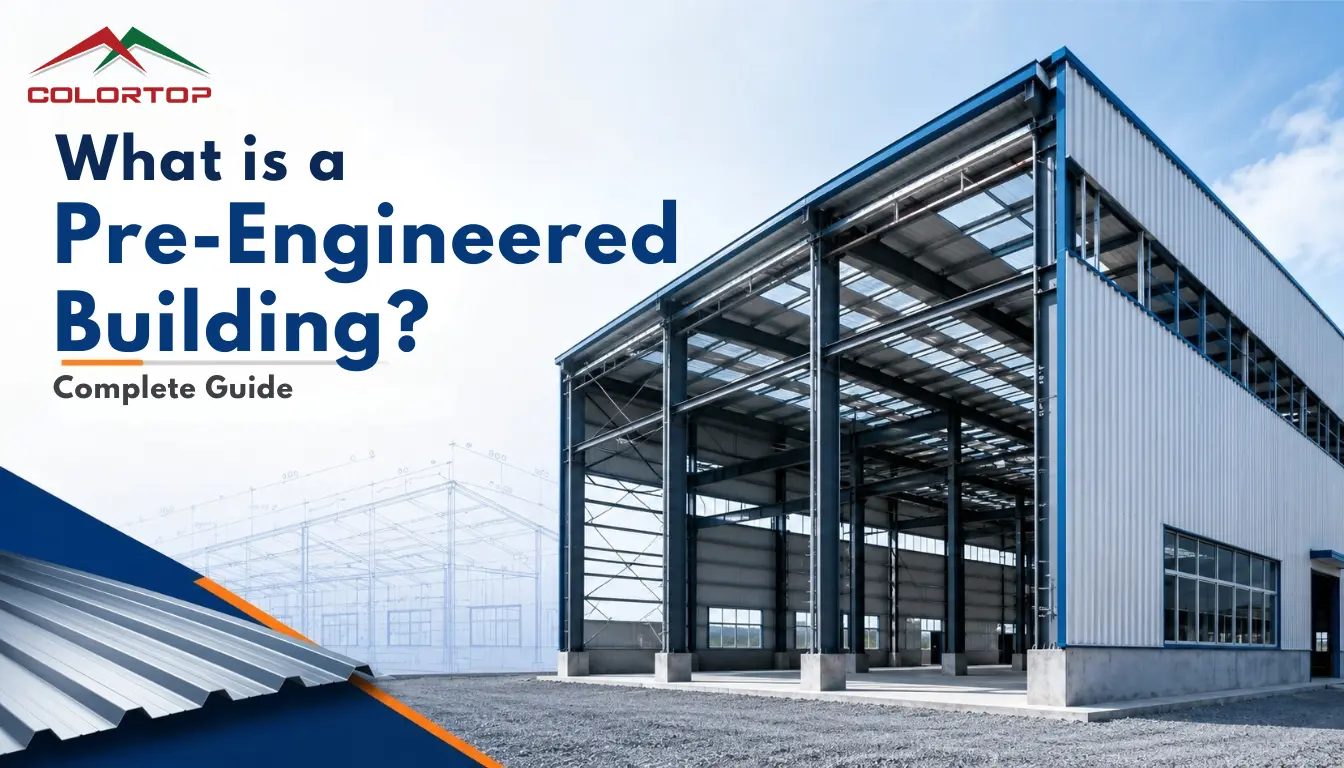
If you have never worked with a PEB before, you must be wondering what exactly makes it “pre-engineered”. Well, a pre-engineered building is primarily a steel structure whose major components are engineered and fabricated according to predetermined specifications.
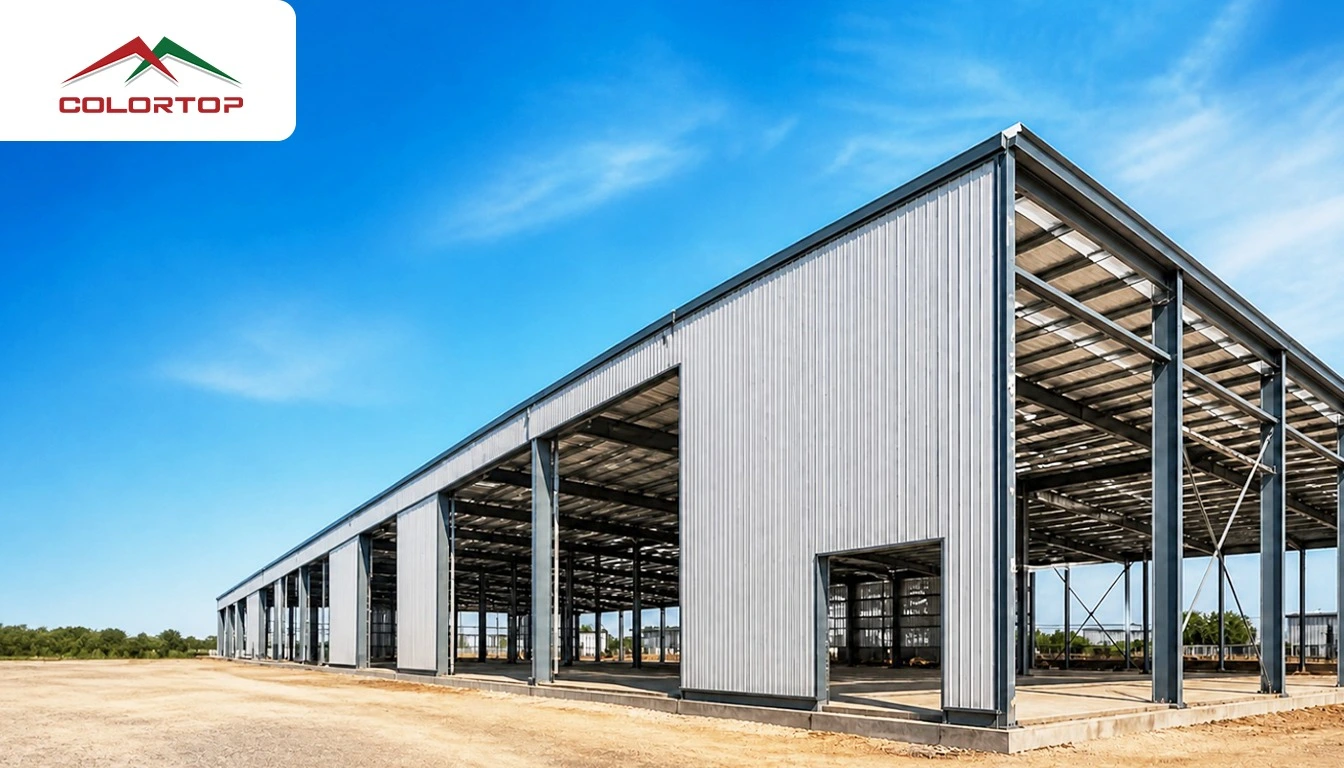
The structural system can include primary framing, secondary framing, roofing, wall cladding, purlins, and other components. These parts are then transported to the construction location for assembly.
A professional PEB building manufacturer in India can customize these structures depending on factors such as building dimensions, intended application, loads, environmental conditions, and project requirements.
Why Are PEBs Becoming Popular in India?
India is witnessing continuous expansion across manufacturing, warehousing, logistics, infrastructure, and commercial sectors. Naturally, businesses need construction methods capable of keeping pace with such growth.
This has created considerable opportunities for PEB companies in India because pre-engineered structures can combine faster execution with flexible engineering.
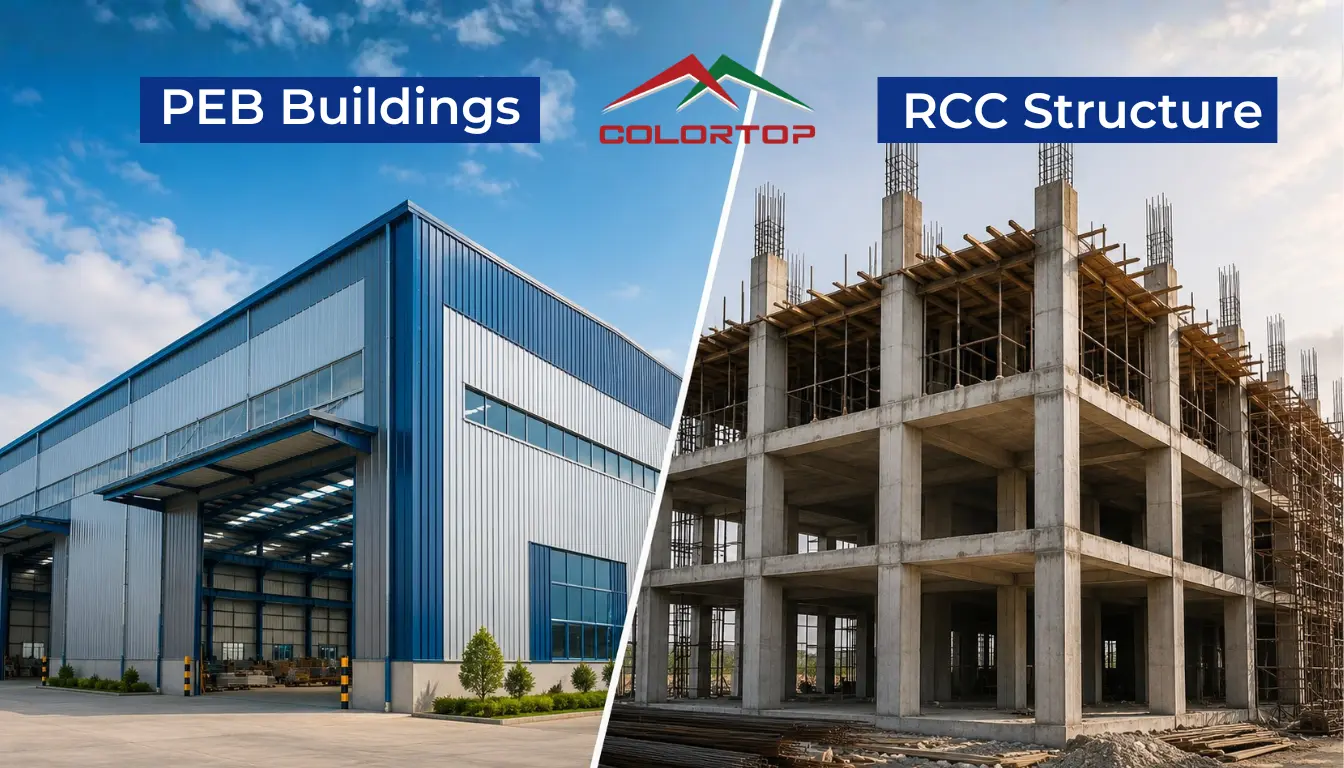
Unlike a conventional project where several construction activities need to happen sequentially at the site, much of the PEB fabrication work takes place beforehand. Hence, once the foundation is ready and components reach the location, erection can progress systematically.
What Are the Major Benefits of Pre-Engineered Buildings?
Why would a business choose PEB instead of conventional construction? The answer lies in the combination of speed, engineering precision, and long-term practicality.
Some important benefits include:
- Faster construction and installation
- High strength-to-weight ratio
- Flexible building dimensions and layouts
- Easier future expansion in suitable designs
- Reduced dependence on extensive on-site fabrication
- Consistent manufacturing quality
- Compatibility with different roofing and cladding solutions
Moreover, established pre-engineered building companies in India can engineer structures according to specific project requirements rather than following a one-size-fits-all approach.
Where Are Pre-Engineered Buildings Used?
One of the biggest advantages of a PEB is versatility. You are not restricted to one particular industry or building type.
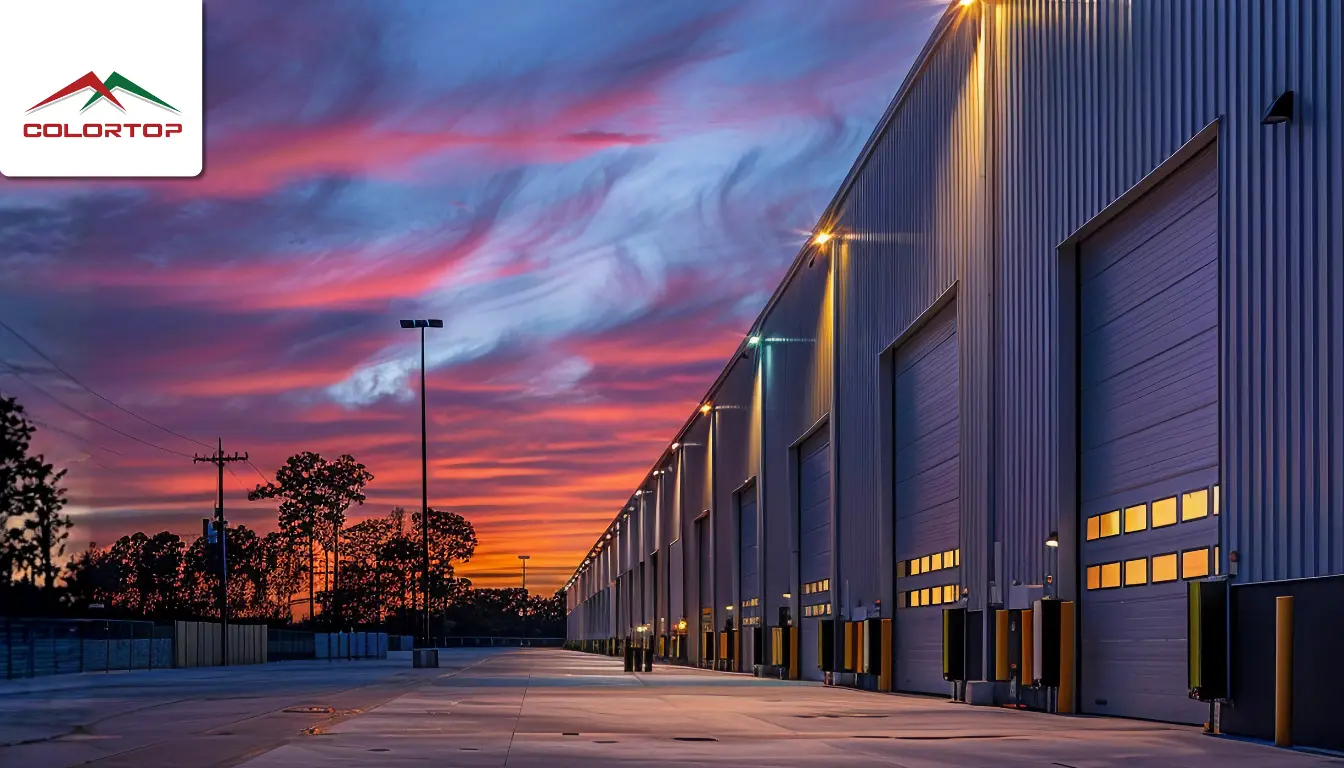
Today, pre-engineered buildings in India can be suitable for warehouses, factories, workshops, distribution centres, aircraft hangars, showrooms, industrial sheds, storage facilities, commercial buildings, and infrastructure projects.
For example, a warehouse may require a large clear-span area for uninterrupted storage and material movement. On the other hand, a manufacturing facility may require customized height, equipment space, ventilation, or provisions for future expansion. A properly engineered PEB can be planned around such requirements.
How Much Does a PEB Building Cost in India?
Now comes the most common question: how much will it cost?
There is no single fixed price applicable to every PEB project. A reliable PEB building manufacturer in India will generally evaluate the project specifications before estimating the cost.
Several factors can influence the final price, including the building’s size, height, span, steel requirement, design loads, roofing and cladding specifications, accessories, location, transportation, and complexity of the structure.
Hence, comparing quotations purely on the basis of price per square foot may not provide the complete picture.
Can PEB Construction Help Control Project Costs?
PEBs can provide better cost predictability when the structure is designed and planned correctly. Since major steel components are engineered according to project requirements, material usage can be optimized.
Many PEB Companies in India also handle multiple elements of the building system, which can make coordination easier. Faster project execution can further be valuable for businesses because completing a facility earlier may allow operations to begin sooner.
However, the actual savings depend on the project. Hence, design quality, material specifications, fabrication standards, and execution should always be considered alongside the initial quotation.
What Should You Check Before Selecting a PEB Partner?
Not every PEB project has the same requirements. Therefore, selecting an experienced manufacturer becomes extremely important.
Before choosing among pre-engineered building companies in India, check the manufacturer’s engineering capabilities, fabrication facilities, raw material quality, quality-control practices, product range, customization capabilities, delivery support, and industry experience.
You should also understand whether the manufacturer can provide supporting components such as roofing sheets, wall sheets, deck sheets, Z and C purlins, and other structural requirements. Having coordinated solutions can simplify the overall project.
Why Quality Manufacturing Matters in PEB Construction
A PEB may look simple once completed, but considerable engineering goes into designing its structural components. Precision during fabrication plays an important role because components manufactured at the facility eventually need to fit and perform correctly at the project site.
Hence, choosing the right PEB building manufacturer in India is not merely about obtaining steel components. It is about finding a manufacturer that understands structural requirements, manufacturing quality, project timelines, and long-term performance.
Are PEBs the Future of Industrial Construction in India?
With businesses demanding faster, scalable, and efficient infrastructure, PEB construction has established itself as a practical option for modern projects. The growing capabilities of PEB Companies in India are also making customized steel structures accessible for projects of different scales.
As industrial and commercial infrastructure continues to expand, demand for pre-engineered buildings in India is likely to remain important, particularly where speed, large spans, durability, and flexibility matter.
Conclusion
Pre-engineered buildings offer an effective combination of strength, faster execution, flexibility, and engineering efficiency. However, the final performance of any PEB depends considerably on proper design, quality materials, precision manufacturing, and professional execution.
Vishal Color Roofs Limited brings over 25 years of experience in steel construction and manufacturing, offering pre-engineered structures along with roofing sheets, wall sheets, deck sheets, Z and C purlins, and related solutions. For businesses evaluating pre-engineered buildings companies in india, Vishal Color Roofs Limited provides customized PEB solutions focused on quality, durability, efficiency, and long-term value.
FAQs
1. What is the time taken to build a pre-engineered building?
The schedule will be based on the size of the building, the complexity of the structure, the manufacturing needs, the site preparation, and the installation factors. PEB construction can typically be faster than most traditional construction methods because major components are prefabricated.
2. Can pre-engineered buildings be used in large industrial projects?
Yes. PEBs may be designed to suit warehouses, manufacturing plants, workshops, logistics centers, storage plants, and other large industrial applications. The structural specifications may be tailored to the project requirements and anticipated loads.
3. What are the considerations to be made before making a final PEB quotation?
Take into account the steel specifications, building size, design loads, roofing and cladding, structural components, accessories, transportation, fabrication quality, installation needs, and experience of the manufacturer rather than comparing quotations on the basis of price alone.