The industrial construction sector in India is evolving rapidly as developers increasingly look for faster, more efficient, and cost-effective building solutions. Traditionally, RCC (Reinforced Cement Concrete) structures dominated industrial and commercial construction projects. However, modern industries today are shifting toward PEB buildings because of their speed, flexibility, durability, and long-term cost benefits.
Industries such as warehousing, logistics, manufacturing, retail, infrastructure, and commercial development now prefer advanced steel structures that support faster project execution and better operational efficiency. The growing demand for scalable industrial infrastructure has significantly increased the popularity of pre engineered building manufacturers in India and modern steel construction systems.
Modern PEB structures also integrate advanced roofing systems such as metal roofing sheets, colour coated roofing sheets, roofing purlins, and z purlin systems to improve weather resistance, durability, and structural performance.
In this blog, we will compare PEB buildings vs RCC structures, understand their advantages and limitations, and explore why industrial developers increasingly prefer PEB solutions in 2026.
What Are PEB Buildings?
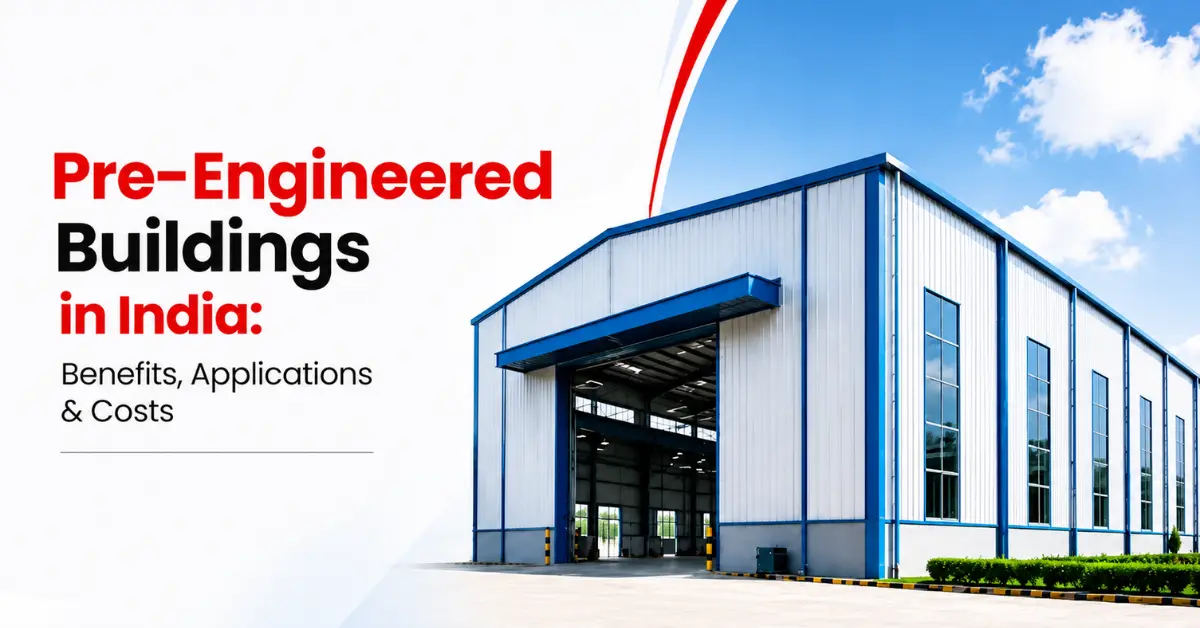
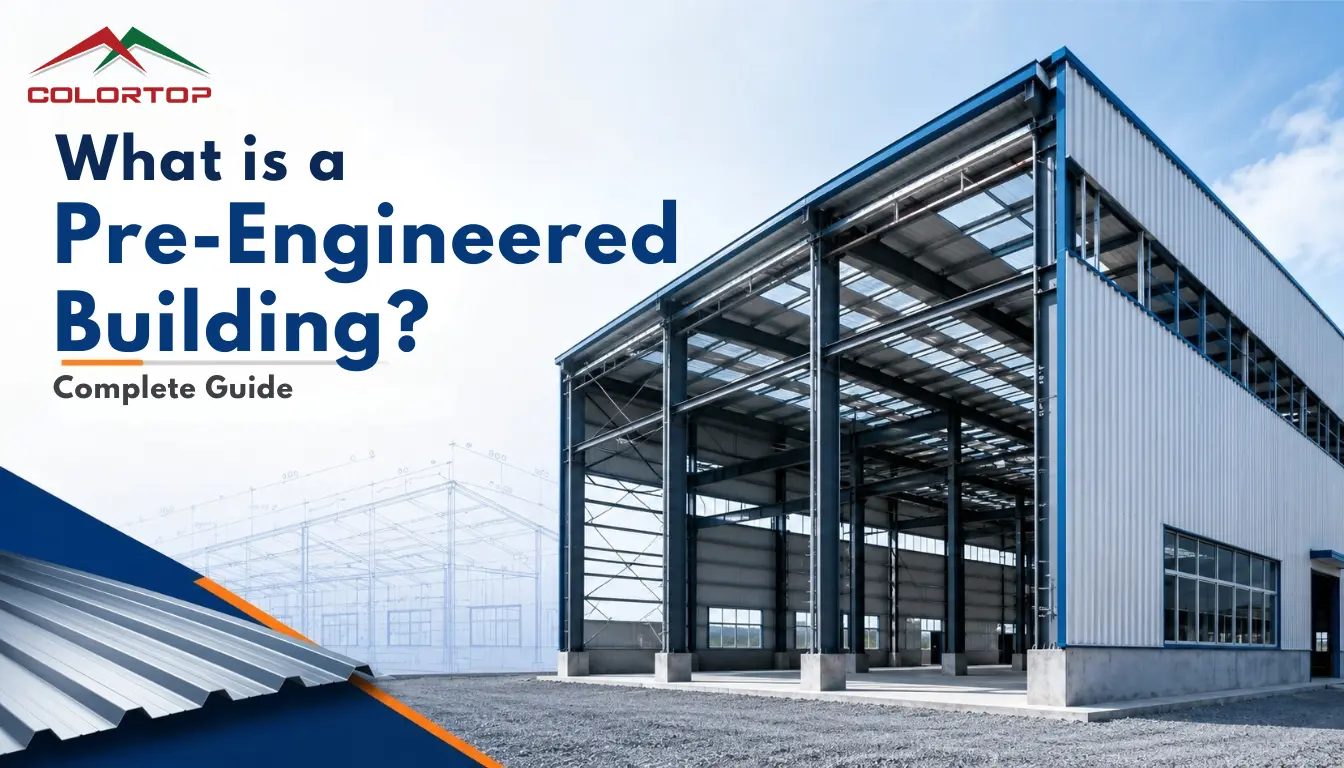
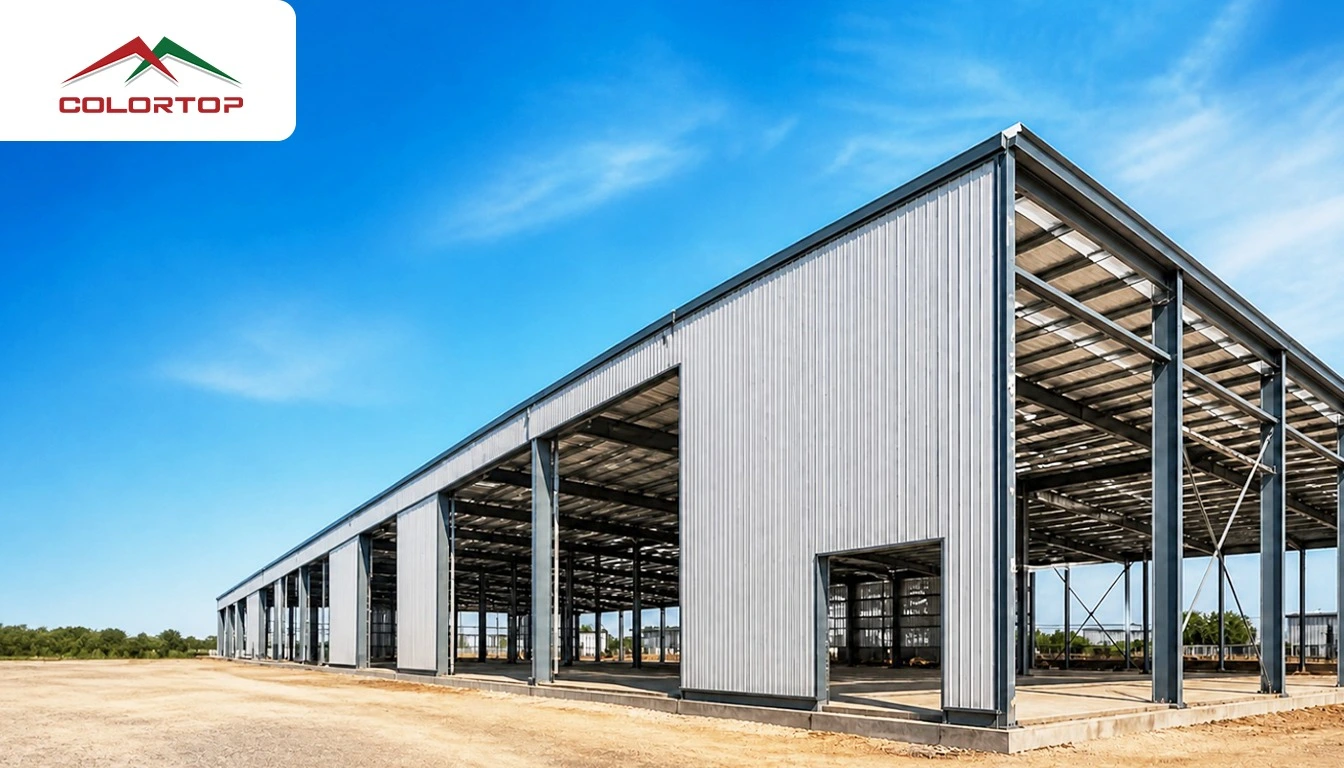
Pre-Engineered Buildings (PEB) are steel structures manufactured using pre-designed and factory-fabricated components. These components are transported to the construction site and assembled quickly, reducing overall construction time and improving project efficiency.
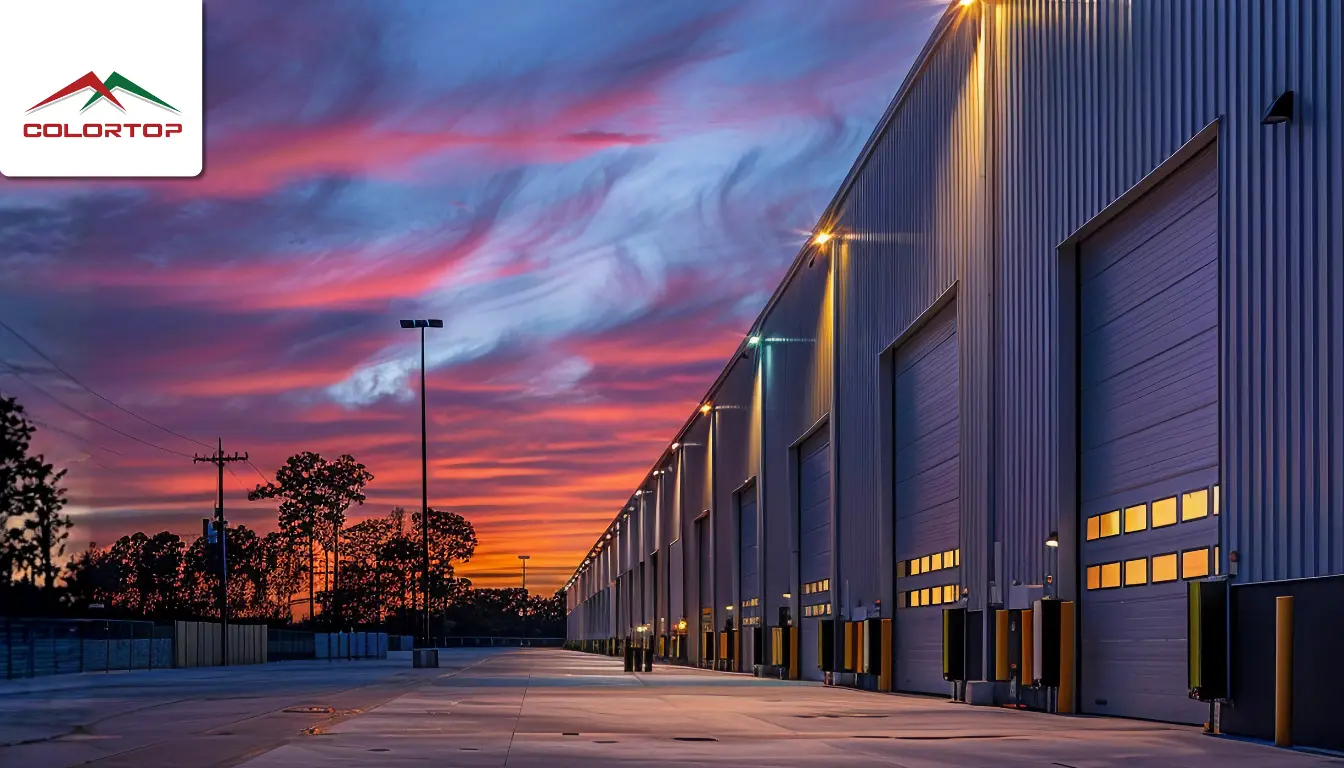
Modern PEB buildings are widely used for warehouses, factories, logistics parks, industrial sheds, commercial buildings, and infrastructure projects because they offer flexibility, durability, and lower construction costs.
Leading PEB companies in India also use advanced roofing systems and steel support structures to improve the strength and long-term performance of industrial buildings.
You can also explore our detailed guide on how PEB buildings help commercial projects here:
What Are RCC Structures?
RCC (Reinforced Cement Concrete) structures are traditional construction systems that use cement, sand, concrete, and reinforcement steel bars to create permanent structures. RCC construction is commonly used for residential buildings, commercial complexes, bridges, and high-rise structures.
Although RCC buildings provide strength and durability, they generally require longer construction timelines, higher labor costs, and increased maintenance compared to modern PEB structures.
PEB Buildings vs RCC Structures
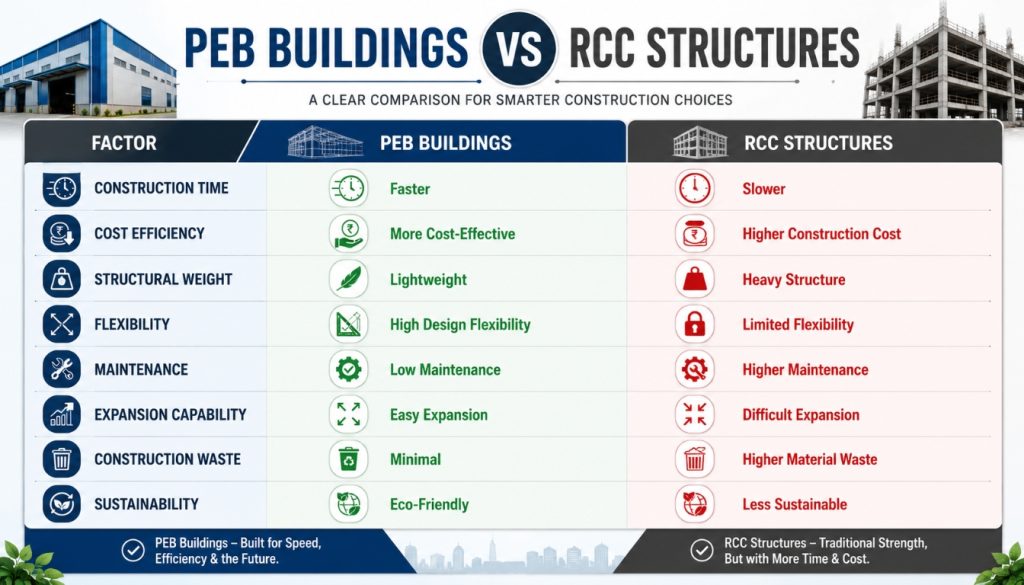
| Factor | PEB Buildings | RCC Structures |
|---|---|---|
| Construction Time | Faster | Slower |
| Cost Efficiency | More Cost-Effective | Higher Construction Cost |
| Structural Weight | Lightweight | Heavy Structure |
| Flexibility | High Design Flexibility | Limited Flexibility |
| Maintenance | Low Maintenance | Higher Maintenance |
| Expansion Capability | Easy Expansion | Difficult Expansion |
| Construction Waste | Minimal | Higher Material Waste |
| Sustainability | Eco-Friendly | Less Sustainable |
Why Industrial Developers Prefer PEB Buildings in 2026
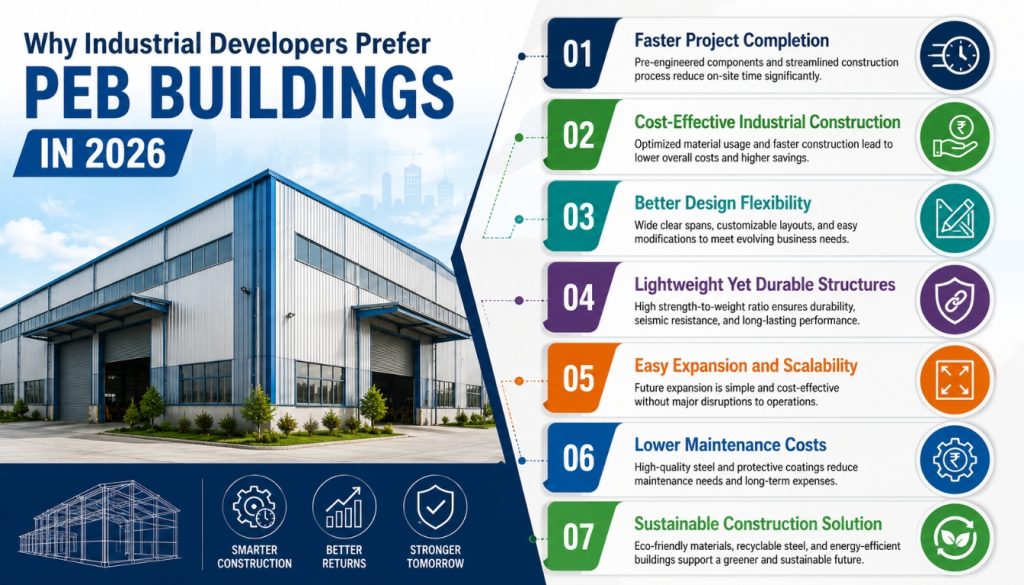
1. Faster Project Completion
One of the biggest advantages of PEB buildings is faster construction. Since most components are factory-manufactured, on-site assembly time is significantly reduced. Businesses can start operations earlier, improving project efficiency and profitability.
2. Cost-Effective Industrial Construction
Modern PEB structures reduce overall project costs through optimized design, reduced labor requirements, and minimal material wastage. Compared to RCC construction, PEB systems offer better cost efficiency for industrial and commercial infrastructure projects.
3. Better Design Flexibility
PEB systems provide flexible layouts suitable for warehouses, factories, logistics parks, and industrial facilities. Developers can easily customize structures according to operational requirements and future expansion needs.
4. Lightweight Yet Durable Structures
Modern pre engineered steel buildings are lightweight while maintaining high structural strength. Advanced steel systems combined with colour coated roofing sheets improve weather resistance and long-term durability.
5. Easy Expansion and Scalability
Industrial businesses often expand operations over time. PEB buildings allow easy future expansion without major reconstruction, making them a practical long-term solution for industrial infrastructure.
6. Lower Maintenance Costs
PEB structures require less maintenance due to corrosion-resistant steel systems and durable roofing materials such as metal roofing sheets and advanced protective coatings.
7. Sustainable Construction Solution
PEB construction generates less waste and uses recyclable steel materials, making it a more eco-friendly and sustainable option compared to RCC construction.
Advantages of RCC Structures
Although PEB buildings are becoming increasingly popular, RCC structures still offer certain advantages for specific applications.
Strong Foundation for High-Rise Buildings
RCC construction is widely preferred for multi-story residential and commercial projects because of its rigid concrete framework.
Better Fire Resistance
Concrete structures generally provide better natural fire resistance compared to steel structures without additional fireproofing systems.
Suitable for Complex Architectural Designs
RCC construction is useful for projects requiring heavy load-bearing capacity and highly customized architectural forms.
Applications of PEB Buildings
Modern PEB structures are widely used in:
- Warehouses
- Factories
- Logistics parks
- Industrial sheds
- Commercial buildings
- Cold storage facilities
- Infrastructure projects
The rapid growth of industrial infrastructure has increased the demand for reliable steel structure manufacturers in India and advanced industrial roofing systems.
Role of Roofing Systems in PEB Structures
Roofing systems play a major role in improving the performance and durability of industrial buildings. Modern PEB buildings commonly use:
- Metal roofing sheets
- Colour coated roofing sheets
- Roofing purlins
- Z purlin systems
- Deck sheets
- Wall sheets
Role of Roofing Systems in PEB Structures
Roofing systems play a major role in improving the performance and durability of industrial buildings. Modern PEB buildings commonly use:
- Metal roofing sheets
- Colour coated roofing sheets
- Roofing purlins
- Z purlin systems
- Deck sheets
- Wall sheets
These systems improve weather protection, thermal insulation, structural strength, and long-term building performance for warehouses, factories, logistics parks, and industrial projects. Proper roofing installation also plays a major role in improving the durability and efficiency of modern PEB structures.
You can also explore our detailed guide on how to install roofing sheets step-by-step here:
Why Choose Vishal Colour Roofs Limited for PEB and Roofing Solutions?
Among the leading PEB companies in India, Vishal Colour Roofs Limited has established itself as a trusted provider of durable and cost-effective industrial construction solutions. The company offers advanced PEB structures, metal roofing sheets, colour coated roofing sheets, deck sheets, wall sheets, and structural steel systems suitable for industrial and commercial infrastructure projects.
Their solutions are designed to provide faster construction, long-term durability, weather resistance, and efficient structural performance for warehouses, factories, logistics parks, and infrastructure developments.
Explore Roofing Solutions Here:
- Roofing Sheets
- Pre-engineered buildings (PEBs)
- Deck Sheets
- Wall Sheets
- Z & C Purlins
- Crimped Curve Sheets
Future of Industrial Construction in India
The future of industrial construction in India is rapidly moving toward faster, scalable, and sustainable building solutions. The rapid growth of warehousing, manufacturing, logistics, and infrastructure development is increasing the demand for modern PEB buildings and advanced steel construction systems.
Businesses looking for durable industrial infrastructure increasingly prefer modern roofing sheet systems and scalable steel structures for warehouses and commercial facilities.
As industrial developers continue prioritizing speed, efficiency, and cost optimization, PEB structures are expected to dominate industrial and commercial construction projects in the coming years.
Conclusion
Both RCC structures and PEB buildings offer unique advantages depending on project requirements. However, modern industrial developers increasingly prefer PEB structures because they provide faster construction, lower costs, design flexibility, sustainability, and long-term scalability.
With the growing demand for efficient industrial infrastructure, modern pre engineered steel buildings and advanced roofing systems are becoming the preferred choice for warehouses, factories, logistics parks, and commercial projects across India.
FAQs
1. What is the difference between PEB and RCC structures?
PEB buildings use factory-manufactured steel components, while RCC structures use concrete and reinforcement steel bars for construction.
2. Why are PEB buildings preferred for industrial projects?
PEB buildings provide faster construction, lower costs, flexibility, and easier future expansion compared to RCC structures.
3. Are PEB buildings durable?
Yes, modern PEB structures are highly durable and resistant to harsh weather conditions when built using quality steel systems and roofing materials.
4. Which roofing systems are used in PEB buildings?
PEB buildings commonly use metal roofing sheets, colour coated roofing sheets, roofing purlins, and advanced steel support systems.
5. Are RCC structures still used today?
Yes, RCC structures are widely used for residential buildings, high-rise projects, and applications requiring rigid concrete frameworks.